
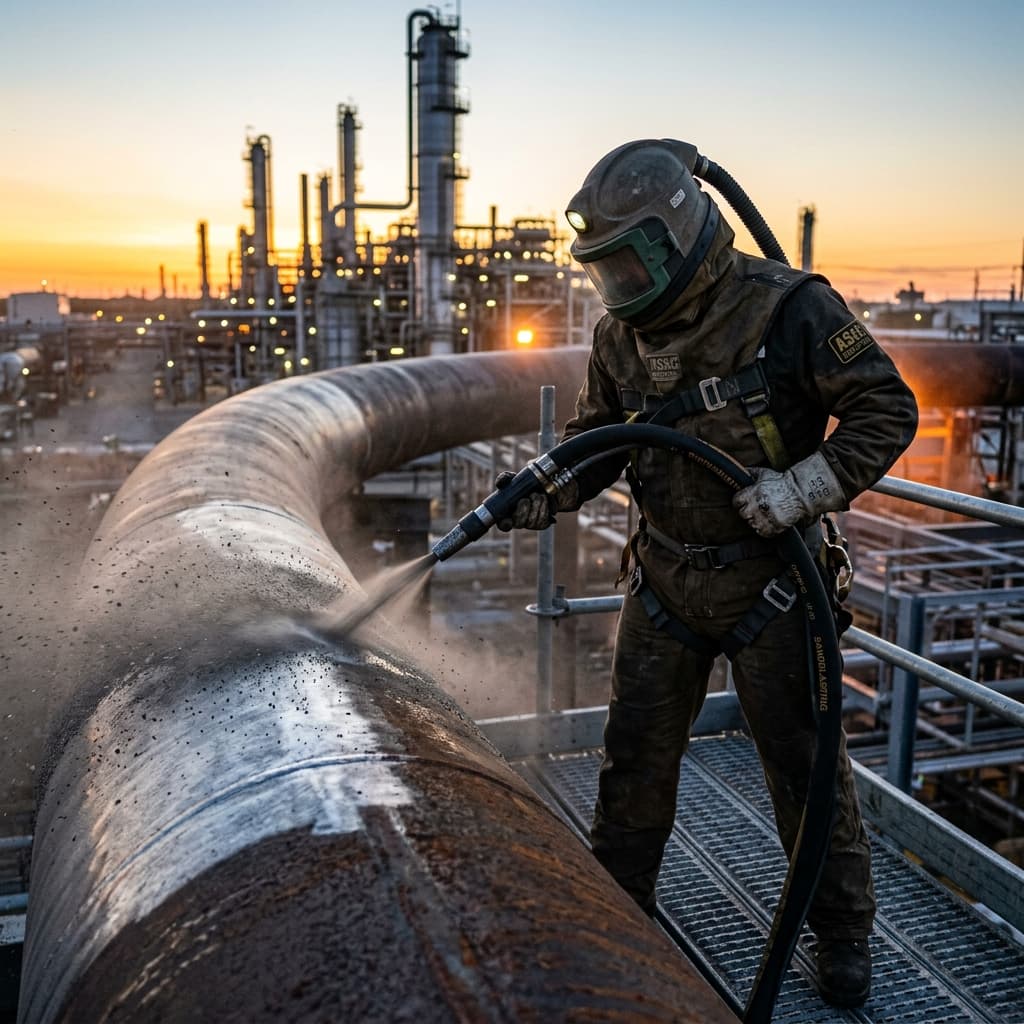
Abrasive Blasting &
Pipeline Coatings
All types of industrial and pipeline Coatings in Maintenance and new construction. Such as Tape Wrapping, All types of Liquid coatings, Concrete coating, structural coating, Tanks coating internal and external, Special type of coating etc.
Refinery & Plant Blasting Method Statement
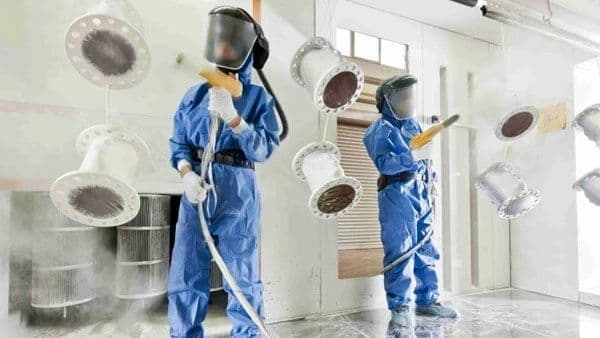
This Method Statement is described to carry out abrasive blasting and coating works in shop and touch-up/repair works of weld joints in the field for Piping at Buildings, plants and refinery.
Our operations guarantee high-integrity surface preparations and professional applications. We support industrial plants, refinery setups, and building pipe networks with certified quality controls and safety procedures.
Anticipated Underground Corrosion Threats
When a pipe has to be buried underground, we have to take extra care to protect its external surface. This is mainly due to the corrosive nature of the soil. The soil can be soft mud, sand, rocks, moisture, minerals, salt water, and so on. In this environment, the steel pipes will undergo severe corrosion. Some common types of corrosion anticipated in underground corrosive environments are provided below:
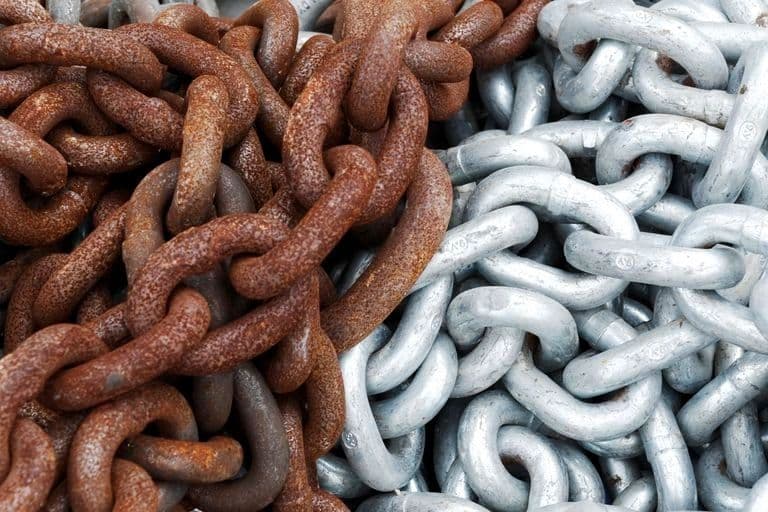
General Corrosion
The gradual destruction of pure metals by the action of air, moisture, or a chemical (such as an acid) on their surface.
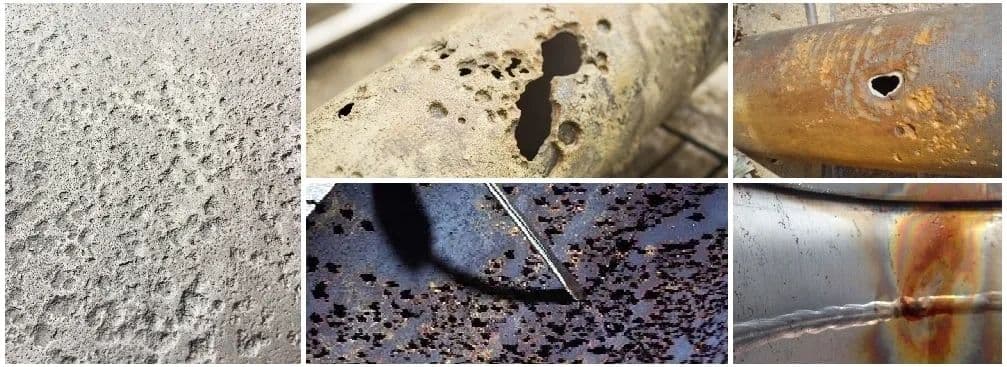
Pitting Corrosion
A localized form of corrosion by which cavities or “holes” are produced in the material.
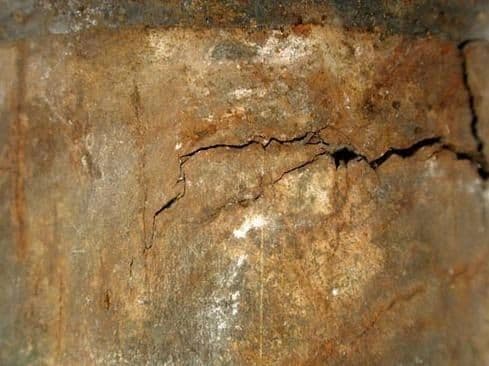
Stress Corrosion
A type of environmentally-assisted cracking or the formation of cracks caused by various factors combined with the environment surrounding the pipeline. It occurs as a result of a combination between corrosion and tensile stress.
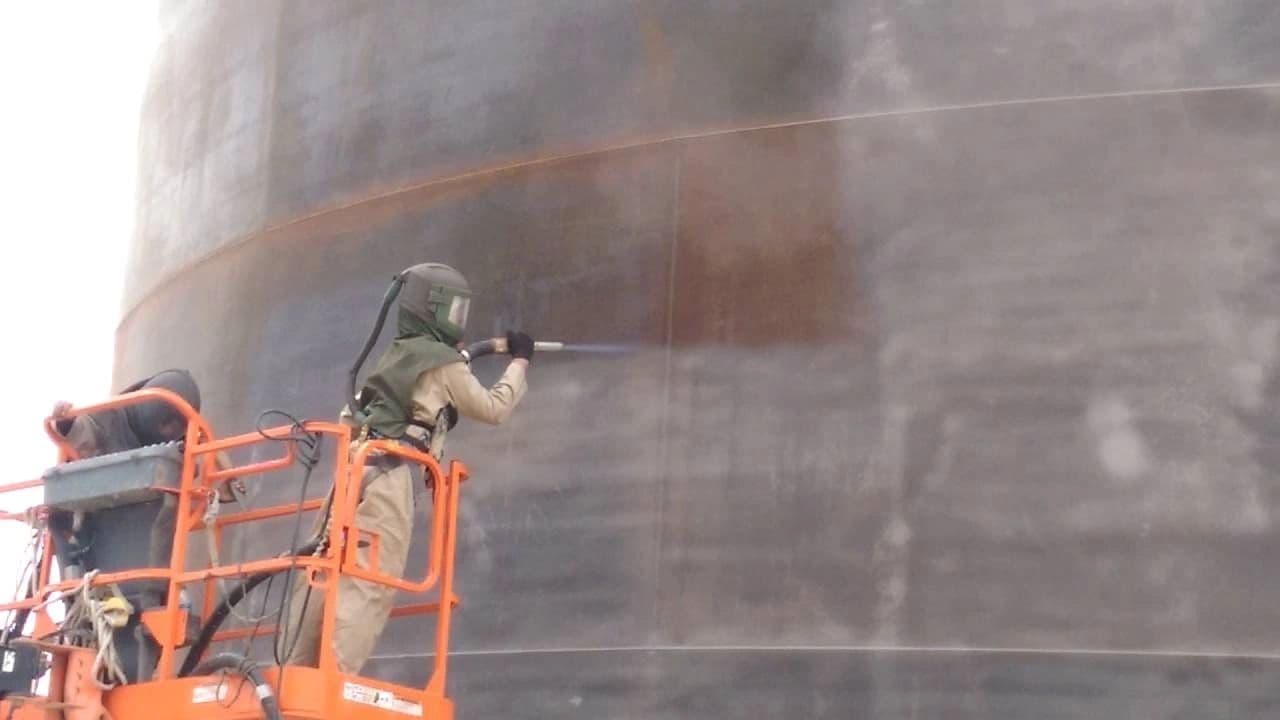
Microbiological Corrosion
It occurs due to the presence of sulfate-reducing bacteria. They convert sulfate in the soil to sulfide, which attacks steel, causing severe pits.
To prevent corrosion, in underground pipes/pipelines, we use a coating. The coating is a barrier to protect steel from the environment. This is supplemented by a Cathodic Protection system in most cases.
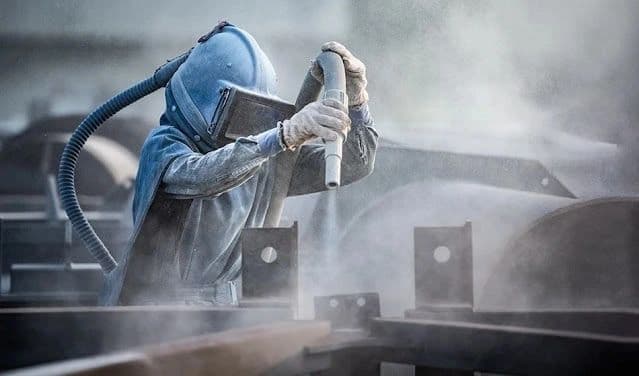
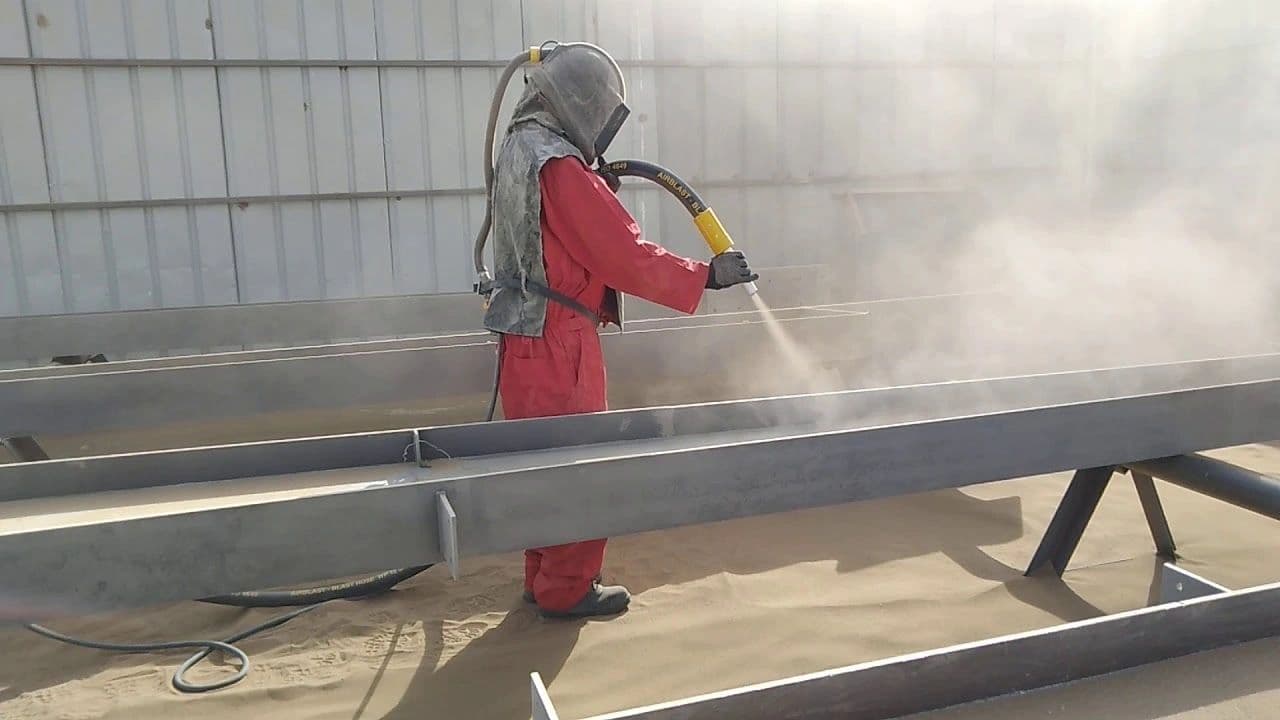
Abrasive Blasting Operations
Abrades surfaces of metal or hard-composition objects to remove adhering scale, sand, paint, grease, tar, rust, and dirt, and to impart specified finish, using abrasive-blasting equipment: Shovels or pours abrasives, such as sand, grit, or shot of specified grade into machine hopper.
- SSPC SP-10 (Near-White Metal) Standard
- Removes rust, sand, grease, scale, and dirt
- Creates anchor profile for liquid coatings
Segmented Charge Blasting
Principle and method of blasthole charge structure design:
The use of segmented charge technology for blasting has become a very mature rock fragmentation technology. In this technology, the air gap is introduced into the explosive column by segmented charge, which is used as a common method to optimize rock fragmentation under a given charge length.
- Optimized explosive shockwave grids
- Reduced explosive volume requirement
- Excellent rock fragmentation in heavy trenching
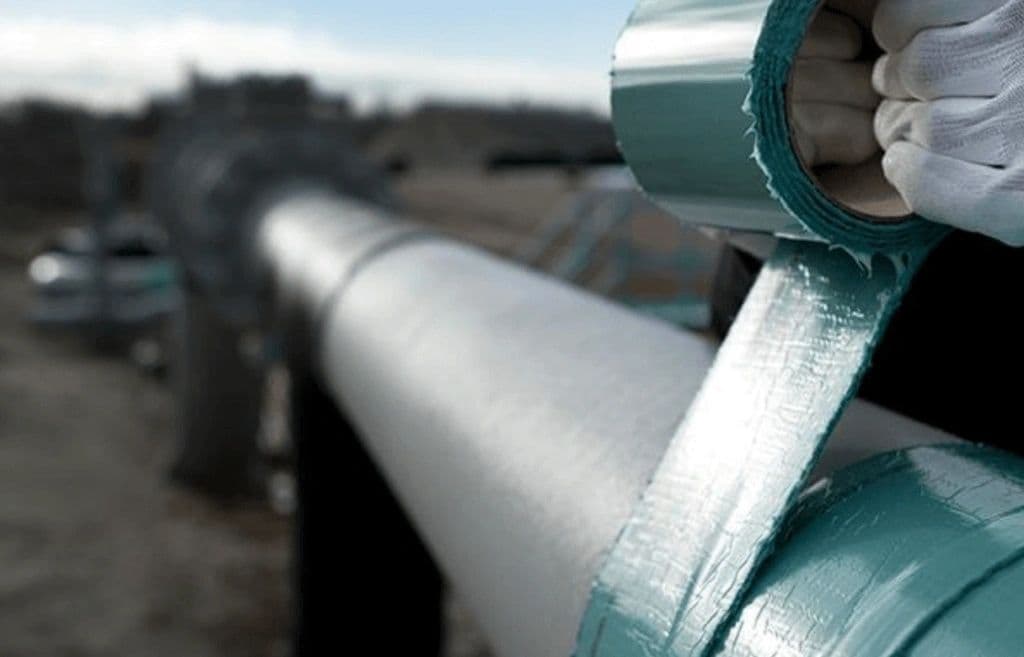
Industrial Coating Systems Applied
Further, we will see some common types of coating methods that are vastly in use for underground pipes across industries:
Tape Wrapping
High-integrity multi-layer cold-applied polymeric tapes providing instant anti-corrosion barrier protection for buried pipeline networks.
Liquid Coatings
Advanced epoxies, polyurethanes, and chemical barriers applied in controlled shop environments or field welds.
Concrete Weight Coating
Heavy-duty concrete wrapping supplying negative buoyancy for marine lines and mechanical protection for rocky soil crossings.
Structural Coating
High-durability protective topcoats preventing atmospheric degradation on structural steel grids, pipe racks, and refinery platforms.
Tank Internal & External Linings
Chemical-resistant chemical tank linings preventing internal product contamination and external atmospheric rust failures.
Special Coatings
High-temperature coatings, specialized linings, and fireproofing materials tailored for custom refinery specifications.
Blasting & Coating Gallery
Industrial Coating Shop
Abrasive Blasting Setup
Pipeline Tape Wrapping Specs
General Steel Corrosion Analysis
Pitting Cavity Inspections
Stress Corrosion Cracking Lab
Microbiological Sulfide Damage
Segmented Charge Blasting Layout
Protect Your Infrastructure
Submit details of your pipeline diameters, soil conditions, or steel surface areas. Our coating engineers will evaluate specs and respond with quotes within 2 hours.
NACE Level III Inspected
All coating profiles checked with micrometers and holiday testers
Refinery Site Access
Field blast crews cleared for plant shutdowns & weld wraps
Or Call Directly
+966 133636284Coating Quote Request
Request sandblasting, wraps, or tank lining services.